David Watkins (R)
Stamford Board of Representatives, District 1 2025 Election
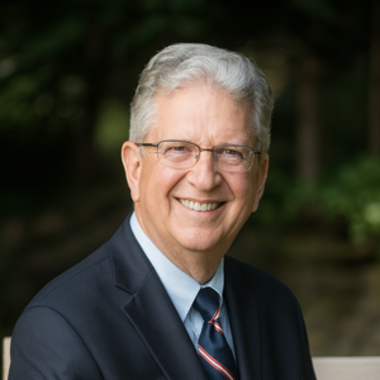
Board of Representatives
I believe I am widely acknowledged within the Board of Representatives, and among my community, as a committed centrist who avoids ideology when viewing problems and issues. In my career I found that the most important skill was to make sure that one articulated the right question before proposing the best solution. That perspective will perhaps become clearer as I attempt to respond to this questionnaire for the League of Women Voters.
LISTENING
I don’t believe most of my constituents have a single top priority need. What they are looking for, first and foremost, is someone who will listen to their issues and problems, and respond. And that I have done for the 10 years I have served on the BOR. If someone calls, emails or texts me, they deserve and will get an answer from me, albeit that sometimes that answer is not what they wished.
APPOINTMENTS PROCESS
My Constituents know that I was an outspoken critic of the proposed Charter Revision, yet they also know that I believed a number of the individual revisions were needed, The Appointments process for the land use commissions is very obviously broken, with current members of the Planning and Zoning Boards sitting for years after their terms have expired. This topic wont go away and needs to be resolved in the next term.
ENVIRONMENTAL
There are a number of environmental initiatives that may be tackled at the end of this BOR term, or in the next term. Gas powered leaf blowers, artificial turf, recycling, solar power, come to mind, among others . There are those who describe these issues as existential threats which require immediate action, whatever the costs and tradeoffs. While I accept that the issues exist, I also believe the solutions need to be measured and paced to the realities of our residents’ needs. I will look for incremental improvements in the coming term.
I don’t believe most of my constituents have a single top priority need. What they are looking for, first and foremost, is someone who will listen to their issues and problems, and respond. And that I have done for the 10 years I have served on the BOR. If someone calls, emails or texts me, they deserve and will get an answer from me, albeit that sometimes that answer is not what they wished.
APPOINTMENTS PROCESS
My Constituents know that I was an outspoken critic of the proposed Charter Revision, yet they also know that I believed a number of the individual revisions were needed, The Appointments process for the land use commissions is very obviously broken, with current members of the Planning and Zoning Boards sitting for years after their terms have expired. This topic wont go away and needs to be resolved in the next term.
ENVIRONMENTAL
There are a number of environmental initiatives that may be tackled at the end of this BOR term, or in the next term. Gas powered leaf blowers, artificial turf, recycling, solar power, come to mind, among others . There are those who describe these issues as existential threats which require immediate action, whatever the costs and tradeoffs. While I accept that the issues exist, I also believe the solutions need to be measured and paced to the realities of our residents’ needs. I will look for incremental improvements in the coming term.
The Comprehensive Plan 2035 is deeply unpopular, both for its content and its process.
The Plan should emphasize the protections afforded by current zoning rules, such as density and setbacks. It should include basic guardrails such as being subject to adequate parking. It does neither. The Land Use Bureau is specific that they don’t see parking availability as a necessary qualifier. It predicates its embrace of greater density growth by asking that we envision or imagine a different future where public transport, and bicycles and the like, will replace cars. As a result we have a proposed Comprehensive Plan that encourages greater density in those areas most afflicted currently by over-parking and travel snarls. The Land Use bureau’s “imaginings” and “envisions” take precedence to our residents’ hard realities.
The Land Use Bureau is quoted as saying that “Illegal Housing in the Cove is popping up because of the lack of housing”. In my view the unacceptable proliferation of illegal housing units in the Cove and elsewhere is because of a “LACK OF ENFORCEMENT”, perhaps even a purposeful turn of the blind eye
The Administration is responsible for planning roads and parking and schools (with BoE), and for enforcing our rules and laws, NOT the BoR. Approval for greater density housing should be predicated upon, and preceded by, adequate infrastructure. And I believe that growth follows the policies we set, not the other way around as proposed by the Comprehensive Plan and as implied by the wording of this question.
The Plan should emphasize the protections afforded by current zoning rules, such as density and setbacks. It should include basic guardrails such as being subject to adequate parking. It does neither. The Land Use Bureau is specific that they don’t see parking availability as a necessary qualifier. It predicates its embrace of greater density growth by asking that we envision or imagine a different future where public transport, and bicycles and the like, will replace cars. As a result we have a proposed Comprehensive Plan that encourages greater density in those areas most afflicted currently by over-parking and travel snarls. The Land Use bureau’s “imaginings” and “envisions” take precedence to our residents’ hard realities.
The Land Use Bureau is quoted as saying that “Illegal Housing in the Cove is popping up because of the lack of housing”. In my view the unacceptable proliferation of illegal housing units in the Cove and elsewhere is because of a “LACK OF ENFORCEMENT”, perhaps even a purposeful turn of the blind eye
The Administration is responsible for planning roads and parking and schools (with BoE), and for enforcing our rules and laws, NOT the BoR. Approval for greater density housing should be predicated upon, and preceded by, adequate infrastructure. And I believe that growth follows the policies we set, not the other way around as proposed by the Comprehensive Plan and as implied by the wording of this question.
NOT ENOUGH MONEY
It is almost impossible to imagine Stamford ever having enough funds to satisfy the demand for “affordable housing”. Part of the problem is that benefits are tied to Area Median Income (“AMI”) and Stamford’s defined AMI is artificially inflated by inclusion of other cities whose AMI is higher.
FAIRNESS
The question of “fairness” is highly subjective.
• The subsidies and equity required to provide “deeply affordable housing” (housing for those earning <30% of AMI) is significantly greater than to provide housing to those earning <50% of AMI. Should we spend our limited funds to provide one unit of deeply affordable housing or two units of affordable housing?
• Should we encourage developers to provide a percentage of their new units for Below Market Rentals (BMR”), or should we encourage developers to make “fee in lieu” (“FiL”) payments which might be used to finance alternative cheaper units in a different location?
What is “fair”? I personally feel we should direct a greater proportion of funds to deeply affordable housing and that “FiL” should be encouraged, not discouraged.
NEW WAYS TO RAISE MONEY
I believe our financial resources could be enhanced by:
• Allowing further development in select sites with adequate infrastructure in return for additional BMR units or FiL.
• Ensuring FiL amounts accurately reflect the full values of the BMR units foregone
• Additional emphasis on private charitable giving to support affordable housing projects
• CT Legislature should allow charitable giving for affordable housing to be a tax deduction on State Income Taxes
It is almost impossible to imagine Stamford ever having enough funds to satisfy the demand for “affordable housing”. Part of the problem is that benefits are tied to Area Median Income (“AMI”) and Stamford’s defined AMI is artificially inflated by inclusion of other cities whose AMI is higher.
FAIRNESS
The question of “fairness” is highly subjective.
• The subsidies and equity required to provide “deeply affordable housing” (housing for those earning <30% of AMI) is significantly greater than to provide housing to those earning <50% of AMI. Should we spend our limited funds to provide one unit of deeply affordable housing or two units of affordable housing?
• Should we encourage developers to provide a percentage of their new units for Below Market Rentals (BMR”), or should we encourage developers to make “fee in lieu” (“FiL”) payments which might be used to finance alternative cheaper units in a different location?
What is “fair”? I personally feel we should direct a greater proportion of funds to deeply affordable housing and that “FiL” should be encouraged, not discouraged.
NEW WAYS TO RAISE MONEY
I believe our financial resources could be enhanced by:
• Allowing further development in select sites with adequate infrastructure in return for additional BMR units or FiL.
• Ensuring FiL amounts accurately reflect the full values of the BMR units foregone
• Additional emphasis on private charitable giving to support affordable housing projects
• CT Legislature should allow charitable giving for affordable housing to be a tax deduction on State Income Taxes